
Male Blepharoplasty in New York City: Eyelid Surgery for a Rejuvenated Look
Conveniently located to serve New York City

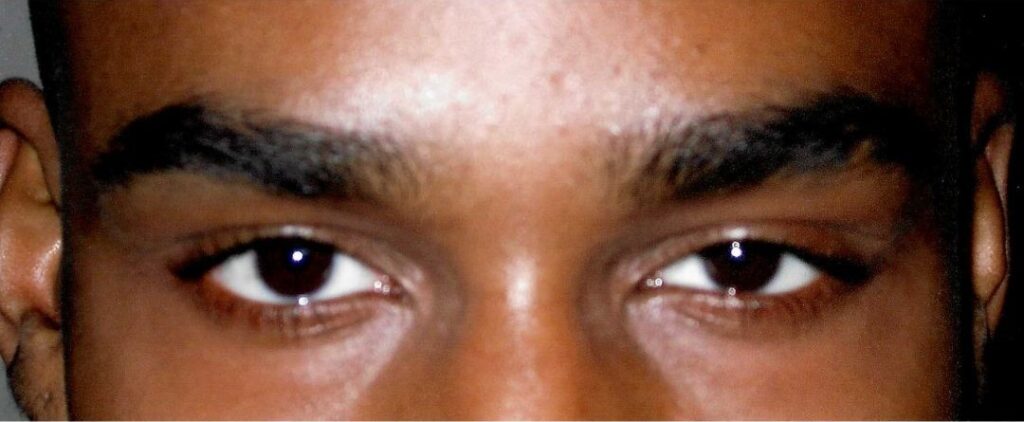 Male blepharoplasty, or eyelid surgery for men, is a surgical procedure that involves the removal of excess skin, muscle, and fat from the eyelids. For males, it is commonly performed to improve the appearance of tired, puffy, and/or hooded eyes. The goal of NYC male blepharoplasty is to achieve a natural, rested, and more alert appearance without feminizing the eyes, refreshing and revitalizing the overall facial aesthetic.
Blepharoplasty is a popular choice for many men seeking a more refreshed and youthful appearance as it can address both cosmetic and functional concerns in one procedure. As a leading New York City oculofacial cosmetic surgeon, Dr. Basil Pakeman performs advanced, minimally invasive male blepharoplasty to help patients in New York City, surrounding areas like Queens, Brooklyn, Bronx, and out-of-state achieve a more alert and revitalized look that reflects the energy they feel inside.
Are you a Candidate for Male Eyelid Surgery in NY?
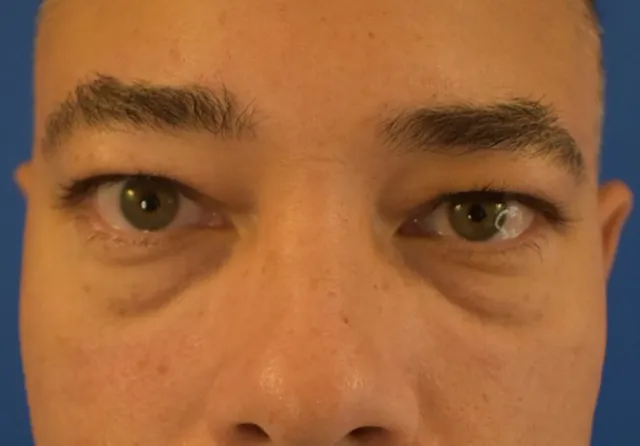

- Excess, drooping skin on the upper eyelids that can make you look tired or may even impair your vision.
- Puffy, tired-looking bags or dark circles under the eyes.
- Fine lines and wrinkles around the lower eyelids.
- A naturally tired or aged appearance that doesn’t match your inner vitality
- A healthy individual with realistic expectations
A thorough evaluation during your consultation will determine if you are a suitable candidate. It’s important to be a non-smoker and not have any serious eye conditions that could complicate the procedure.
Types of Blepharoplasty for Men
There are several types of eyelid lift surgeries, often performed in combination, to address concerns unique to men:
- Upper Eyelid Blepharoplasty: This procedure focuses on the upper eyelids. An incision is made in the natural crease of the eyelid to remove excess skin, and sometimes fat, that causes the lid to droop. The result is a more defined eyelid and a more open, refreshed look.
- Lower Eyelid Blepharoplasty: This surgery targets the lower eyelids to reduce undereye bags and fine wrinkles. There are two types of lower blepharoplasty that differ on their approach.
- In a Transconjunctival blepharoplasty (internal approach), an incision is made on the inside of the eyelid. This method leaves no visible external scar and is excellent for removing or repositioning fat pads.
- In a Transcutaneous Blepharoplasty (external approach), an incision is made just below the lower lash line. This form of eyelid surgery may be used if excess skin needs to be removed.
- Upper and Lower Blepharoplasty: This combines both upper and lower eyelid surgery to provide a comprehensive rejuvenation of the entire eye area.
- Ptosis Surgery: This procedure is performed to correct a drooping eyelid caused by a weakened muscle, distinct from the excess skin addressed by a standard upper blepharoplasty.
- Non-surgical Laser Blepharoplasty. This form of non-surgical CO2 Laser Blepharoplasty is an advanced eyelid rejuvenation procedure designed to refresh and tighten the delicate skin around the eyes. This treatment uses the precision of a carbon dioxide (CO₂) laser to gently resurface the skin and stimulate collagen production. The CO₂ laser makes highly precise incisions, allowing Dr. Pakeman to remove or reposition excess skin, fat, and tissue.
Key Differences in Male vs. Female Blepharoplasty
While the core principles of blepharoplasty are the same for men and women, the surgical approach is subtly different to ensure a result appealing to men. Key differences include:
- Brow Position: Men typically have a lower, flatter, and more horizontal brow line. It is imperative to avoid creating a high, arched brow, which is more characteristic of female aesthetics.
- Skin and Fat Removal: The approach is often more conservative. The goal is to avoid an “overdone” or hollowed-out look. While it may seem appropriate to remove as much fat as possible, some may be left in place to help contour the eyelid and maintain a strong, masculine appearance.
- Incision Placement: For upper eyelid surgery, the incision for a male patient may be placed slightly lower to maintain a more subtle eyelid crease. The incision is still hidden by the natural crease of the eyelid.
The Consultation Process
Your Manhattan male blepharoplasty consultation is a crucial step in the process. During this appointment, you will meet with Dr. Pakeman to share your concerns and desired outcome. He will review your medical history as well as perform an in-depth examination of your eyes, eyelids, brow position, and overall facial structure. From here, a personalized surgical plan will be created to help you attain your eyelid rejuvenation goals. This is your opportunity to ask questions and view before-and-after photos of previous male patients.
The Surgical Process: Pre-Op, Surgery, and Post-Op
Prior to Surgery: Leading up to your male blepharoplasty, you will receive detailed instructions. You will be advised to:
- Stop taking certain medications (like aspirin or NSAIDs) and herbal supplements that can increase bleeding.
- Stop smoking at least two weeks before and after the procedure, as it can hinder healing.
- Arrange for transportation so that you may return home safely after the procedure.
Surgery: Male blepharoplasty is an outpatient procedure, meaning you can go home the same day. It is performed under local anesthesia, with or without IV sedation, at Dr. Pakeman’s Joint Commission accredited surgical suite on the Upper East Side of Manhattan. The surgery can take one to two hours. During the procedure, precise incisions are made, fat is removed or repositioned, and excess skin excised before closing the incisions with fine sutures.
Post-Operative Phase: After your male blepharoplasty surgery, you may experience slight swelling, bruising, and discomfort. This is perfectly normal, is an expected part of the recovery process, and will resolve with time. Following your post-op care instructions is essential for a smooth recovery from male blepharoplasty:
- Rest and Elevate: Keep your head elevated to minimize swelling.
- Cold Compresses: Apply cold compresses to the eyes for the first 48 hours to reduce bruising and swelling.
- Medication: Take any prescribed medication and eye drops as directed.
- Activity: Avoid strenuous activities, heavy lifting, and bending over for at least two weeks. You can typically return to work or light activities within 7 to 10 days.
- Sun Protection: Wear sunglasses to protect your eyes from sun and wind exposure during the healing process.
Procedures Men Can Combine with Blepharoplasty
Many men choose to combine their blepharoplasty with other cosmetic procedures to achieve a more comprehensive facial rejuvenation. Common combinations include:
- Brow Lift: Also known as brow pexy, a brow lift is often performed with upper eyelid surgery to address a low or sagging brow, which can contribute to a tired appearance.
- Facelift: For men concerned with signs of aging in the lower face and neck, a facelift can be combined with blepharoplasty for a full-face revitalization.
- Ptosis Repair: This procedure is performed to correct a drooping eyelid caused by a weakened muscle, distinct from the excess skin addressed by a standard upper blepharoplasty.
- Lipo of Neck, Chin, and Jowls: Liposuction of these areas removes stubborn fat deposits to create a more defined and sculpted jawline, dramatically enhancing the results of blepharoplasty for a younger, more refined face.
- Fat Grafting to the Face: This procedure uses fat transferred from another part of the body to restore lost volume in areas like the cheeks and temples, providing a fuller, more youthful facial contour that complements the results of eyelid surgery.
- Botox® and Dermal Fillers: These non-surgical treatments can be used to further smooth forehead wrinkles, crow’s feet, and restore lost facial volume, complementing the surgical results.
Cost of Eyelid Surgery for Men in NY
Understanding the financial commitment of a male blepharoplasty is a key step for any man considering this procedure. The cost of eyelid surgery in New York City can vary depending on individual needs and the complexity of the procedure. For example, your treatment with a CO2 laser for laser eyelid surgery or radio frequency blepharoplasty may affect the priced. Our team is ready to provide a detailed, transparent estimate and discuss all your options, ensuring you have a clear understanding of the investment in a more confident, refreshed appearance.
Take the Next Step Towards a Rejuvenated Look
If you are ready to explore how an Eyelid lift in Manhattan can help you look as vibrant and energetic as you feel, contact our office today. Our team is ready to answer your questions and guide you through the process. Schedule your personalized consultation with Dr. Pakeman and take the first step toward a refreshed and confident you. For those interested in scholarly information on blepharoplasty, click here.
Frequently Asked Questions
Have questions about Eyelid Surgery for Men? We’ve compiled some FAQs about Male NYC Blepharoplasty, answered by Dr. Pakeman, a Top Cosmetic Surgeon in Manhattan.
How long does the blepharoplasty procedure take?
The surgery typically takes between one and two hours, depending on whether you are having an upper, lower, or combined procedure.
Will the results look natural, or will I look “done”?
A skilled surgeon with experience in male blepharoplasty will prioritize a natural, masculine result. The goal is a subtle improvement that makes you look more rested and alert, not like you’ve had surgery.
How long is the recovery time?
Most men can return to work within 7 to 10 days, but you should avoid strenuous activity for about two weeks. Swelling and bruising will gradually subside over this period.
Will there be visible scars?
The incisions are strategically placed in the natural creases of the eyelids or on the inside of the lower lid. Scars are typically well-hidden and fade over time.
Is eyelid surgery painful?
Male blepharoplasty is a procedure many patients tolerate quite well. With local anesthesia and IV sedation (as needed), many patients experience little to no pain. Post surgery discomfort is generally mild and can be managed with over-the-counter pain medication or a short course of prescription medication.
Can blepharoplasty fix my vision problems?
Male blepharoplasty can address aesthetic and functional concerns. Specifically, upper blepharoplasty can improve peripheral vision if the sagging skin is obstructing your line of sight.
Can I wear contact lenses after the surgery?
You should avoid wearing contact lenses for at least two to three weeks after surgery. You will need to wear glasses during this time.
When can I resume exercise?
You can resume light activities after the first week, but you should wait at least two to three weeks before returning to more strenuous exercise like weight lifting or jogging.
What is the ideal age for male blepharoplasty?
While many men seek this procedure in their 40s, 50s, and 60s, it is suitable for any adult who is bothered by signs of aging around the eyes. Males in their 20s and 30s routinely undergo blepharoplasty surgery.
Are there non-surgical alternatives to blepharoplasty?
While fillers and BOTOX® can address fine lines and hollows, they cannot remove excess skin. Blepharoplasty is the only way to surgically correct sagging eyelids and significant undereye bags.
How long do the results of blepharoplasty last?
The results are long-lasting, often a decade or more. The procedure does not stop the aging process, but it provides a significant and lasting rejuvenation.
Is this procedure covered by insurance?
Blepharoplasty is generally considered a cosmetic procedure and is not covered by insurance. However, if upper eyelid surgery is deemed medically necessary to correct a vision impairment, a portion of the procedure may be covered.
What are the risks of blepharoplasty?
As with any surgery, there are risks, including bleeding, infection, dry eyes, and temporary changes in sensation. Your surgeon will discuss all potential risks during your consultation.
How soon can I shave after the surgery?
You can shave a few days after the surgery, but be gentle around the surgical areas.
What makes a good blepharoplasty surgeon for a man?
Look for a surgeon with extensive experience and specialized training in facial plastic surgery and male aesthetics. They should be able to show you a portfolio of their male blepharoplasty results and have a deep understanding of the unique anatomical differences between men and women.